
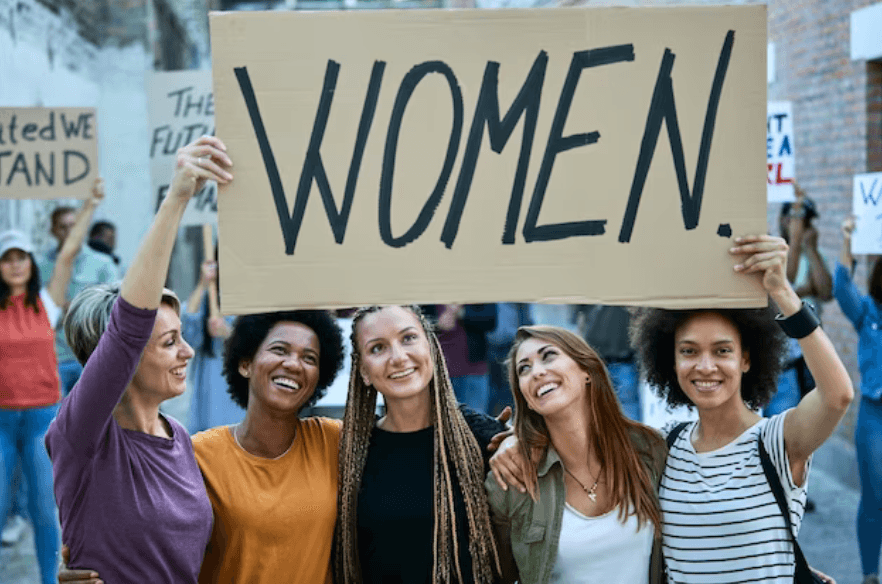
Women's empowerment is about more than just voting rights: it’s about enabling women to control their lives, personally and professionally. It involves advocating for women's rights as part of affirming global human rights. Let’s explore women's empowerment, its importance, and its impact on education, healthcare, the workplace, and economic opportunities.
What is women’s empowerment?
Women’s empowerment involves equipping women with the tools, resources, and support to live fully and achieve their goals. Enhancing women's social, economic, political, and legal strength enables them to make strategic decisions, benefiting themselves and others. The key lies in increasing access to resources like education, employment, healthcare, and property rights while also addressing discrimination and violence against women.
Why is women’s empowerment important?
Empowering women is essential for achieving gender equality and sustainable development. Studies show that empowered women are more likely to participate in the workforce, invest in families and communities, and become leaders. This, in turn, contributes to improved economic growth, reduced poverty, and better health and education outcomes for all.
While a lot of progress has been made in recent years, women still face barriers like limited education and job opportunities, unequal pay, and the burden of unpaid care work.
The importance of education
Education is a vital tool for empowering women, as it can help break the cycle of poverty, improve economic status, and encourage critical thinking. Legislation addressing gender-based violence, like that in South Africa, is a step forward, but global efforts are still needed.
The importance of health care
Equal access to healthcare allows women to control their bodies and make informed health decisions. Again, plenty of progress has been made, and the maternal mortality rate is declining, but many women still face delivery-related complications. Women in healthcare leadership can help by advocating for full access to healthcare for all.
The importance of economic opportunities
Economic empowerment, including microfinance and entrepreneurship support, fosters financial independence and decision-making power. Rural women face unique challenges and need equal access to resources and opportunities. Programs like MGNREGS in India contribute to addressing gender disparities.
Empowering women in the workplace
Workplace empowerment for women involves equal pay, opportunities for promotion, and leadership positions. A recent World Bank report shows that there are wide global disparities, with many countries lacking laws against gender-based work restrictions and sexual harassment. Companies should support women and promote their empowerment in the workplace, no matter what country or industry they operate in.
While we’ve come a long way since the day Susan B. Anthony was arrested for voting, the world in general still has a long way to go in the struggle for women’s empowerment. This fight will require governments, healthcare organizations, educational institutions, employers, non-profits, and humanitarian organizations across the world to help dismantle gender barriers and ensure equal opportunities and rights for all women.